
World Menopause Day 2026: When Midlife Discomfort Needs to Be Taken Seriously
Every year in October, World Menopause Day helps raise awareness and improve understanding of menopause and women’s health.
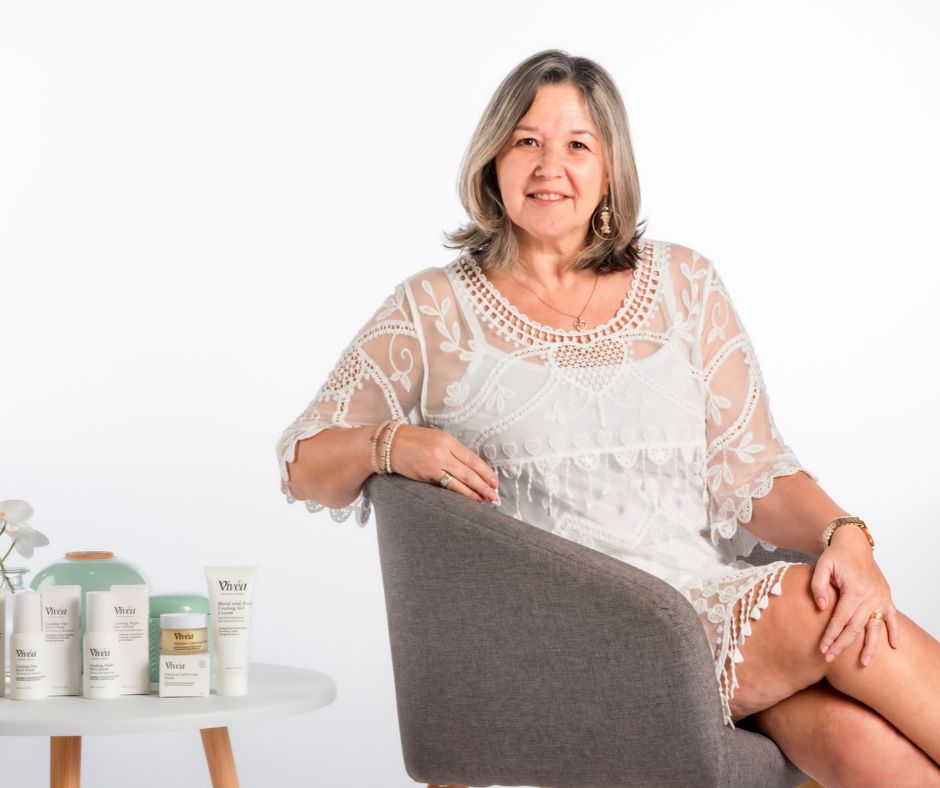
As we acknowledge this day, I find myself reflecting on what this day means to me personally, both as a woman and as the founder of Vivéa. I began my own menopause journey 18 years ago, and like so many women, I felt completely unprepared for the changes it brought, physically, emotionally, and even in the way my skin felt.
Menopause is something every woman will experience, yet for a long time it wasn’t spoken about openly enough. Thankfully, that is changing. More women are sharing their stories, asking questions, and reminding each other that we don’t have to go through this stage quietly or alone.
For World Menopause Day 2026, the International Menopause Society has chosen the theme “Chronic Pain at Midlife”, drawing attention to an issue that can be overlooked or simply accepted as part of getting older.
When Discomfort Becomes Part of Everyday Life
Perimenopause and menopause can affect the body in many ways. Alongside well-known symptoms such as hot flushes and night sweats, women may experience joint and muscle pain, headaches, sleep problems, vaginal discomfort, heart palpitations and changes to their skin. Some symptoms can continue after menopause.
Not every ache or new symptom is caused by menopause. But persistent discomfort also shouldn’t automatically be dismissed as “just ageing”.
The International Menopause Society’s 2026 campaign highlights the importance of recognising chronic pain at midlife and ensuring women receive appropriate investigation and evidence-based care.
When should you seek advice?
If symptoms are persistent, getting worse or affecting your sleep, work, relationships, movement or general quality of life, it’s worth speaking with a healthcare professional. There are treatment and management options available for many menopausal symptoms.
Some changes should always be investigated. For example, any vaginal bleeding after you have gone 12 months without a period should be checked by a healthcare professional, even if it only happens once.
World Menopause Day is an important reminder that while menopause is a natural stage of life, living with significant discomfort doesn’t have to be accepted as an inevitable part of it.
Understanding what is changing, talking openly about symptoms and seeking appropriate support can all contribute to better health and quality of life through midlife and beyond.
Françoise