
Why Vivéa Skincare Doesn’t Use Collagen
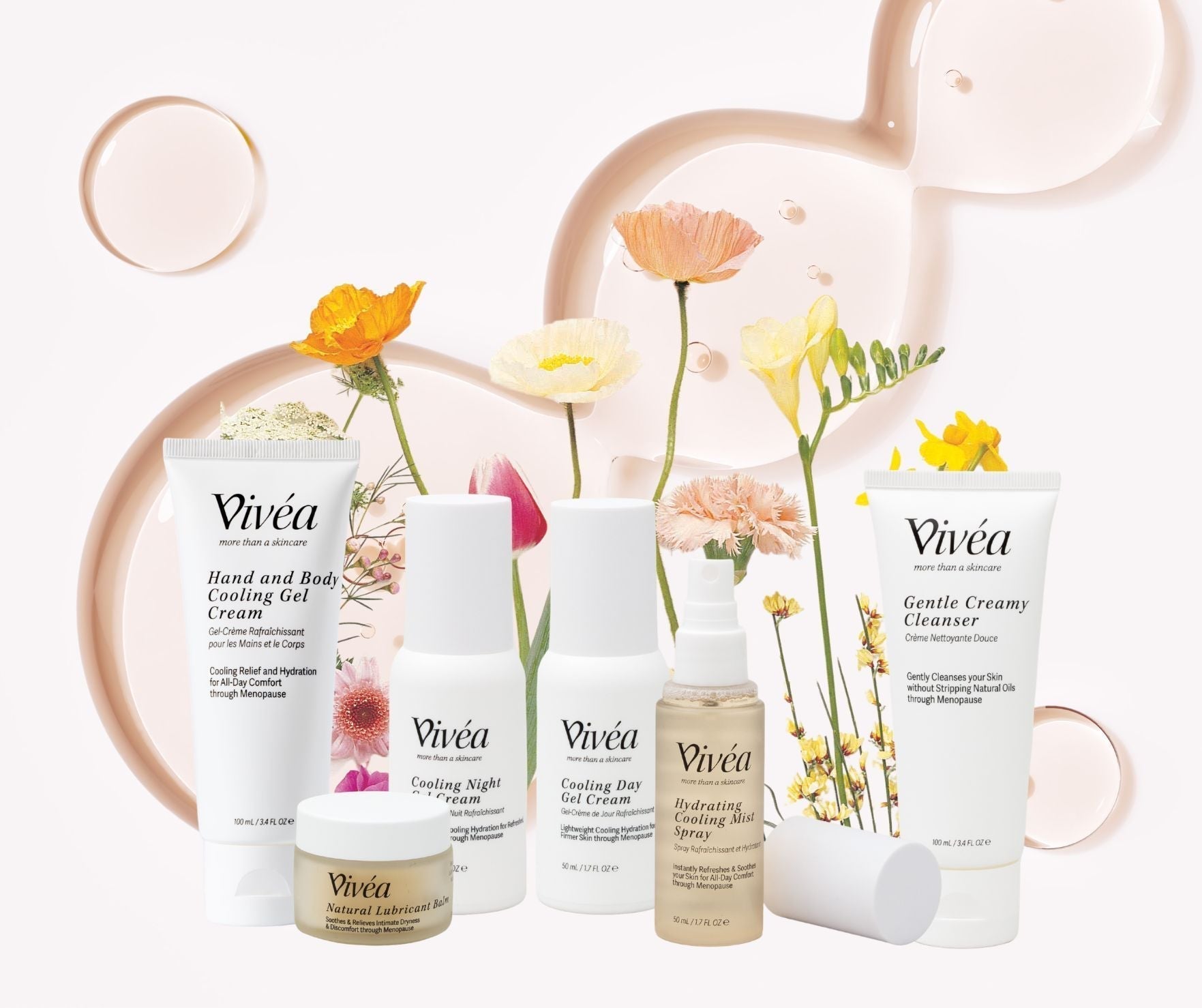
Collagen is one of skincare’s biggest buzzwords. It’s easy to see why. We associate collagen with firm, smooth, plump skin, so it sounds like exactly what mature or menopausal skin needs.
But topical collagen doesn’t work the way many people think it does.
At Vivéa Skincare, we don’t simply add collagen to the surface of the skin. Our formulas are designed to support the skin’s own collagen environment, help protect the collagen you already have, and improve the look of firmness, bounce and hydration from multiple angles.
So Why No Collagen in Vivéa Products?
Because menopausal skin deserves more than a surface-level ingredient. Most topical collagen is too large to penetrate to where your skin’s natural collagen is made and maintained. It can hydrate the surface, but it won’t replace collagen lost through hormonal changes.
At Vivéa Skincare, we take a more intelligent approach: supporting natural collagen processes, helping protect existing collagen, strengthening the skin barrier, improving hydration and creating a healthier environment for mature skin to thrive.
We don’t add collagen just because it looks good on a label. We use ingredients that help support the skin where collagen actually matters.
What Happens to Collagen During Menopause?
Collagen is one of the key proteins that gives skin its structure, firmness and resilience. It sits in the dermis, the deeper layer of the skin, where it works alongside elastin to keep skin supported and supple.
During menopause, falling oestrogen levels can affect how the skin behaves. Collagen production slows, the skin barrier becomes more fragile, dryness increases, and skin can begin to look thinner, looser or less bouncy. This is why collagen becomes such a popular topic in midlife skincare.
The need is real. But the solution is often misunderstood.
Why Don’t We Use Topical Collagen?
Topical collagen is a large molecule. When applied to the skin, it mostly stays on the surface. That doesn’t make it useless. Collagen can act as a humectant, helping attract and hold water on the skin’s surface. This may give a temporary feeling of softness or hydration.
But topical collagen does not replace the collagen your skin has lost. It doesn’t travel down into the dermis and become part of your skin’s structural support. Putting collagen on the skin is not the same as helping the skin make, protect or maintain its own collagen.
That’s why Vivéa focuses on collagen support, not collagen coating.
Vivéa Approach: Build, Protect and Maintain
Rather than relying on collagen as an ingredient, Vivéa Skincare includes carefully chosen actives that support the skin’s own firming processes, help reduce factors that contribute to collagen breakdown, and create a healthier environment for mature skin.
- In the Cooling Day Gel Cream and Hand & Body Cooling Gel Cream, Ganoderma Lucidum Mushroom Stem Extract helps support the skin cells involved in maintaining the dermis, where collagen and elastin live. Instead of sitting on the surface, this ingredient supports the skin’s own “factory cells” so they can continue helping skin look firm and resilient.
- The Cooling Day Gel Cream also contains Ceramide NP, which supports the connection between the epidermis and dermis, where the upper layers of the skin stay anchored to the deeper support structure beneath. When this area weakens, skin can look less firm or more slack. Supporting this connection helps skin appear smoother, tighter and better held together.
Protecting existing collagen matters too. Menopausal skin can become more vulnerable to stress, UV exposure, inflammation and glycation, all of which can affect collagen quality.
- Cistus Incanus Flower/Leaf/Stem Extract, found in the Cooling Day Gel Cream, Cooling Night Gel Cream and Hydrating Cooling Mist, help calm the visible effects of stress on the skin. Stress hormones can contribute to processes that weaken the skin’s structure over time, so reducing their visible impact supports a more resilient-looking complexion.
- The Cooling Day Gel Cream also includes Simmondsia Chinensis Seed Oil and Dunaliella Salina Extract, which help address glycation. Glycation is a process where sugar molecules attach to collagen fibres and make them stiff and brittle. Healthy-looking skin needs collagen that remains supple and elastic, not rigid and fragile.
- For the plump, hydrated look people often want from collagen, Vivéa uses Hydrolysed Hyaluronic Acid in the Cooling Day Gel Cream and Cooling Night Gel Cream. This smaller form of hyaluronic acid attracts water within the skin’s surface layers, helping skin look fresher, smoother and more comfortable.
Collagen Support Needs a Healthy Skin Barrier
Topical collagen doesn’t repair a weakened skin barrier. And for menopausal skin, the barrier matters. When the barrier is compromised, water escapes more easily. Skin can feel dry, tight, sensitive or rough. That’s why Vivéa also includes ingredients that support the upper layers of the skin.
- In the Gentle Creamy Cleanser, Inulin is a plant-based prebiotic that supports the skin’s microbiome, helping maintain a balanced, healthy-looking complexion. The cleanser also contains Avena Sativa Kernel Oil, which helps soothe and nourish sensitive skin.
- In the Cooling Night Gel Cream, Orobanche Rapum Extract helps support cell renewal, which naturally slows with age. The same night formula also includes Gardenia Jasminoides Fruit Extract to support the skin during its night-time repair cycle and help protect against the visible effects of blue light exposure.
- For the body, the Hand & Body Cooling Gel Cream contains Almond, Borage, Linseed and Olive Acids/Glycerides, a nourishing blend of bio-available fatty acids that helps soften, smooth and replenish the skin, giving it the supple feel we often associate with healthy, collagen-rich skin.