
Why Skin Can Suddenly Become Sensitive After 40 (and What to Do About It)
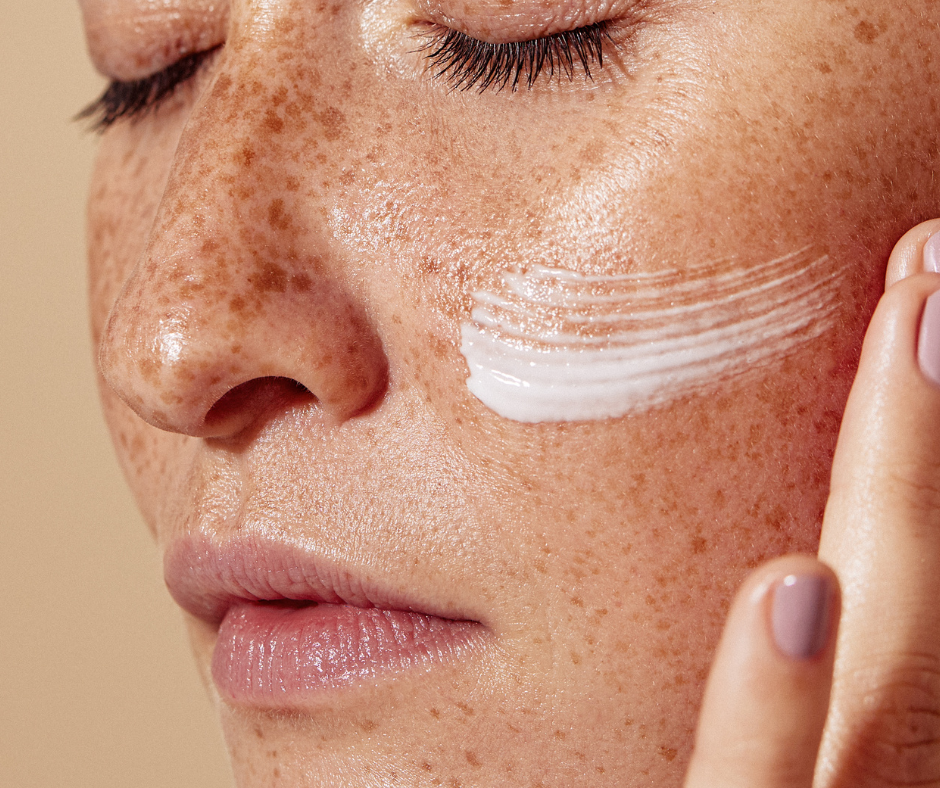
Increased skin sensitivity is a common but sometimes overlooked change during perimenopause and menopause. Skin that was previously quite resilient may begin to react more easily, with redness, itching, tightness, dryness or a stinging sensation after applying certain products.
While declining oestrogen plays a role, menopausal skin sensitivity is more complex than simply becoming “drier” with age.
Why can skin become more reactive during menopause?
Healthy skin has several natural defence mechanisms. The outermost layer provides a physical barrier, natural oils help limit moisture loss, and the skin’s microbiome contributes to its protective environment.
Hormonal changes during menopause can influence these systems. As oestrogen declines, changes in sebum production, skin thickness and water retention can leave the skin less resilient. When the protective barrier is compromised, irritants can penetrate more easily and water can escape more readily.
This can increase transepidermal water loss (TEWL) and contribute to the familiar combination of dryness and sensitivity.
Importantly, sensitivity doesn’t always mean there is an underlying skin condition. It can simply mean the skin’s tolerance has changed.
Why your usual skincare may suddenly feel different
A product you have used comfortably for years may not necessarily feel the same on menopausal skin.
Strong exfoliating acids, retinoids, fragranced products and frequent exfoliation can all be more noticeable when the skin barrier is already under pressure. Even environmental factors such as cold weather, wind, low humidity and UV exposure can contribute to irritation.
This is why adding more active ingredients isn’t always the answer.
Instead, it can be helpful to look at the overall load being placed on the skin. Using several highly active products at the same time can make it difficult to identify what is causing sensitivity and may further challenge an already vulnerable barrier.
Supporting sensitive menopausal skin
The aim is to create an environment in which the skin can function well.
Start with gentle cleansing that removes makeup, sunscreen and daily impurities without leaving the skin feeling stripped or tight. Follow with ingredients that attract and retain moisture, alongside lipids and emollients that help reduce moisture loss.
It is also worth introducing new active ingredients gradually rather than changing several products at once. This gives you a better understanding of what your skin tolerates.
Daily sun protection remains particularly important. UV exposure contributes to oxidative stress and skin ageing and can aggravate redness and sensitivity in some people.
And pay attention to persistent symptoms. Ongoing itching, burning, rashes or significant redness shouldn’t automatically be attributed to menopause. Conditions including eczema, rosacea and contact dermatitis can emerge or change during midlife and may require advice from a GP or dermatologist.
A gentler approach: Vivéa’s approach
There is an important focus on gentle skincare that is still highly effective.
Ingredients such as humectants, ceramides, niacinamide, antioxidants, soothing botanicals and nourishing lipids can all play different roles in supporting hydration, barrier function and skin comfort. What matters is creating a balanced formulation rather than asking one highly concentrated active ingredient to do everything.
This is the approach behind Vivéa’s skincare for perimenopausal and menopausal skin. Across the range, ingredients such as hydrolysed hyaluronic acid support hydration, while niacinamide and Ceramide NP support barrier function. Oat kernel oil, calendula and other carefully selected botanical ingredients provide additional nourishment and soothing support for skin that may be becoming more sensitive.
Menopause changes what skin needs, and increased sensitivity can be one of the first signs that it is time to adjust your approach. Rather than trying to make changing skin behave as it once did, focus on maintaining hydration, protecting the skin barrier and reducing unnecessary irritation. Supporting the skin’s natural functions can be just as important as treating the visible signs of ageing.